Debunking Common Air Conditioning Myths
When it comes to air conditioning, there are plenty of myths and misconceptions that can lead to confusion and unnecessary expenses. In this blog post, we will debunk some of the most common air conditioning myths to help you make informed decisions about your cooling system.
Myth #1: Lowering the Thermostat Temperature Quickly Cools the Room Faster
Many people believe that setting the thermostat to a very low temperature will cool the room faster. However, air conditioning systems work at a consistent rate, regardless of the temperature setting. Setting the thermostat lower than desired will only result in wasted energy and higher utility bills.
Myth #2: Closing Vents in Unused Rooms Saves Energy
Some homeowners think that closing vents in unused rooms will help save energy by redirecting airflow to other areas of the house. In reality, closing vents can disrupt the balance of the system and lead to increased pressure, causing the air conditioner to work harder and less efficiently.
Myth #3: Bigger Air Conditioners Are Always Better
It's a common misconception that a larger air conditioner will cool a space faster and more effectively. In truth, an oversized unit can lead to short cycling, where the system turns on and off frequently, resulting in uneven cooling, higher humidity levels, and increased wear and tear on the equipment.
Myth #4: Regular Maintenance Is Unnecessary
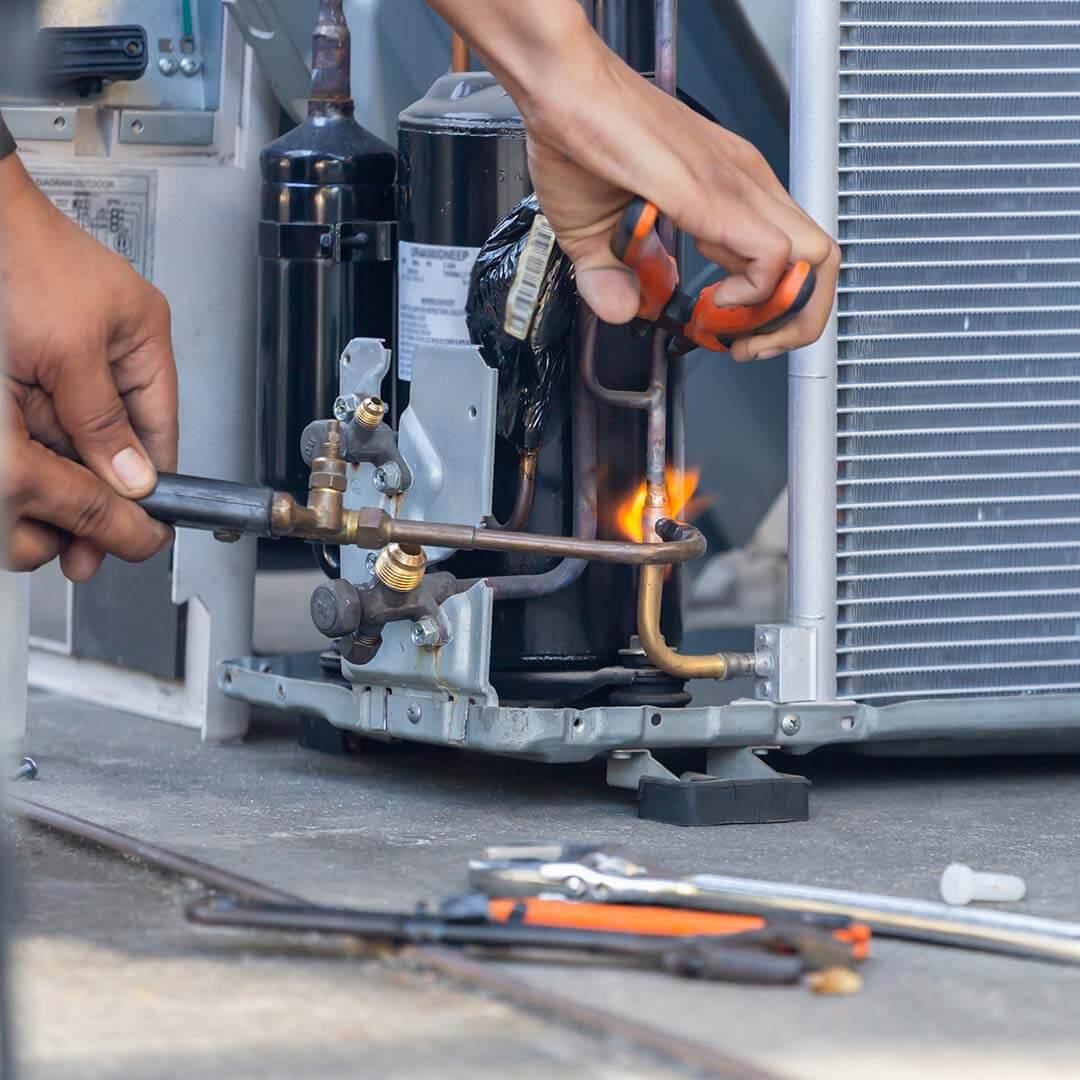
Some people believe that as long as their air conditioner is working, there's no need for regular maintenance. However, routine maintenance is essential to keep your system running efficiently, prevent breakdowns, and extend the lifespan of your equipment. Neglecting maintenance can lead to costly repairs and premature replacement.
Myth #5: Fans Cool the Room
While fans can help circulate air and create a breeze that makes you feel cooler, they do not actually lower the temperature in the room. In fact, running a fan in an empty room is a waste of energy. To effectively cool a space, you need an air conditioning system that can remove heat from the air.
Myth #6: Turning Off the AC When You're Not Home Saves Money
Some people believe that turning off the air conditioner when they're not home will save them money. However, coming home to a hot and humid house means the air conditioner will have to work harder and longer to cool the space back down. It's more energy-efficient to set the thermostat to a higher temperature when you're away.
Conclusion
By debunking these common air conditioning myths, you can make smarter choices when it comes to cooling your home. Remember to set your thermostat to a comfortable temperature, keep all vents open, right-size your air conditioner, schedule regular maintenance, use fans wisely, and adjust your thermostat settings for optimal energy efficiency. Don't let these myths lead you astray – stay informed and keep your cool!